Thin Wall Steel Tubing: When It Works and When It Fails
Thin wall steel tubing is rarely a commodity purchase. It looks simple on a drawing, but the same outer diameter and wall combination can arrive...
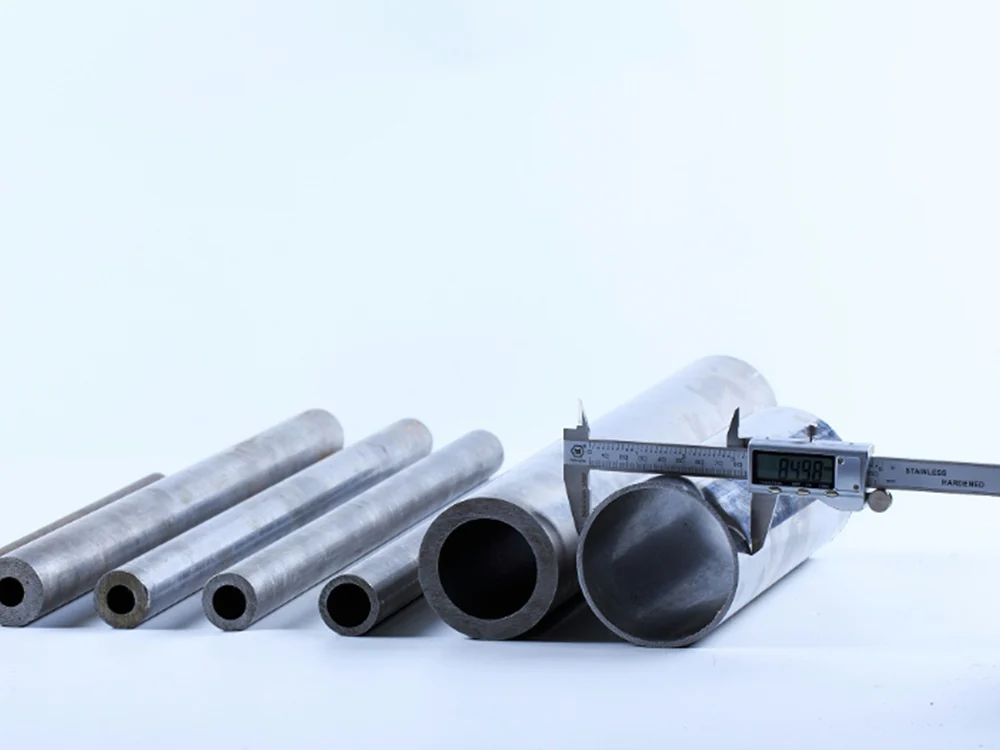
Thin wall steel tubing is rarely a commodity purchase. It looks simple on a drawing, but the same outer diameter and wall combination can arrive straight, oval, or unusable depending on how the tube was reduced, stress relieved, and inspected. Over twenty years in precision steel pipe manufacturing, I have watched assemblies move from machined bar to thin wall steel tubing without enough thought for how the wall would behave during bending, welding, or pressure testing. My position is direct: thin wall steel tubing performs only when the forming process and the wall thickness are specified together, not when wall reduction is treated as a weight saving exercise.
What Is Thin Wall Steel Tubing?
Thin wall steel tubing is not one grade or standard. It is a geometry. In our process conversations we treat a tube as thin wall when the diameter to wall ratio moves past roughly 20:1, or when the wall falls under 3 mm on diameters above 40 mm. The boundary shifts by material, standard, and downstream operation, but the practical meaning stays the same: the wall is light enough that tolerance, straightness, and surface condition have to be controlled during reduction, not corrected after it.
A cold drawn welded tube with a 42 mm outer diameter and a 2 mm wall is a routine order, but it is also one of the more demanding combinations to hold straight. The difference between a usable piece and scrap usually appears at the die, in the heat treatment, or in how the tube is handled before strapping.
| Parameter | Standard wall tube | Thin wall tube |
|---|---|---|
| Diameter to wall ratio | Usually below 20:1 | Usually above 20:1 |
| Straightness after cold drawing | Tends to remain stable | Requires stress relief control |
| Handling damage | Less frequent | Ovality risk rises |
| Inspection focus | OD and wall | OD, wall, roundness, camber |
Which Processes Keep Thin Wall Tolerances Tight?
Cold drawing and cold rolling do the real work, but they behave differently. Cold drawing pulls the tube through a die and reduces the outside diameter while the wall follows. Cold rolling squeezes the wall and diameter between rolls and produces a more consistent wall around the circumference.
For thin wall steel tubing with a wall from 1 to 6 mm, our cold drawn welded tube range covers outer diameters from 20 to 108 mm, while cold rolled welded tube starts at 10 mm. Both are held to ±0.1 mm on the wall, but the surface finish differs. Cold rolled tube usually gives the cleaner surface and more uniform wall, which matters when the tube will be cut, deburred, and welded without rework.
The hidden variable is thermal condition. A thin wall tube in the as drawn condition carries residual stress. That stress may not show up on a micrometer, but it shows up later as bow after cutting or as movement during welding. Stress relieved or annealed conditions release much of that stored energy and are the better choice when straightness or machining stability matters.
Where Does Thin Wall Steel Tubing Deliver the Most Value?
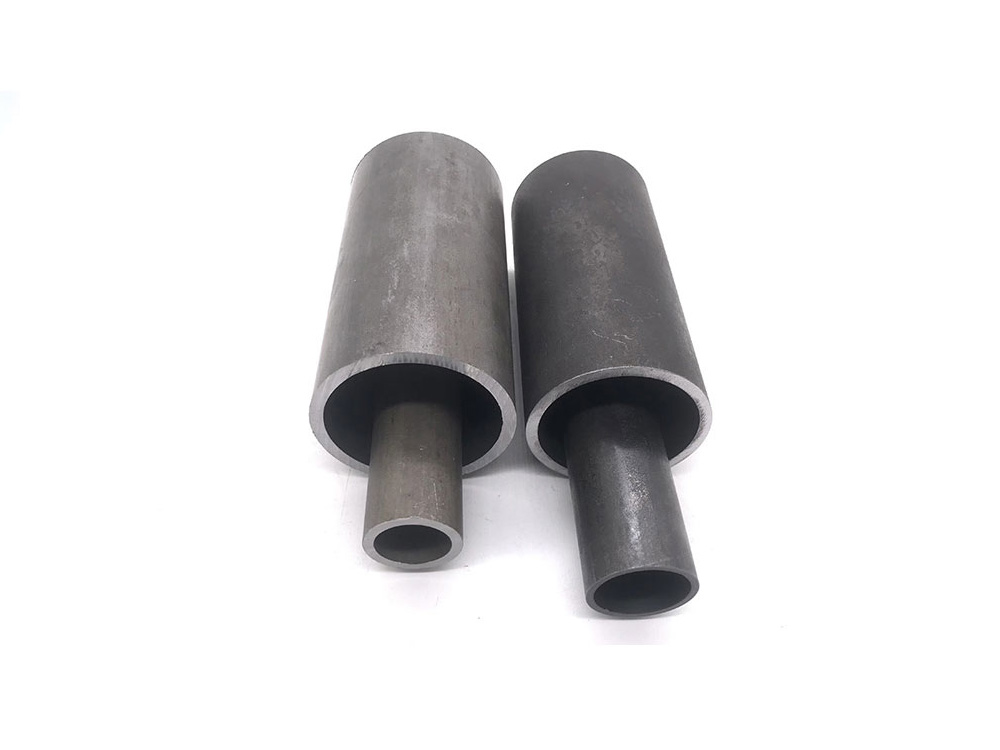
Thin wall steel tubing earns its cost when the design benefits from less mass, faster heat transfer, or a wall that fits into a tight assembly envelope. Automotive brackets, motorcycle components, furniture frames, heat exchanger shells, and low pressure fluid return lines all use thin wall geometry for sensible reasons. The material is not carrying high internal pressure or severe external load, so wall thickness can be reduced without the part accepting unreasonable risk.
That is the dividing line. If the tube acts as a structural member in bending, a pressure boundary, or a component that must survive field repair, the thin wall selection needs more care. The same outer diameter and wall that works in a return line may fail in a hydraulic reservoir application if the end forming operation exceeds the elongation left in the material. Value depends less on the mill than on the match between wall, temper, and the next operation.
If your program involves wall under 2 mm on an OD above 50 mm, or if the tube will be bent, flared, or end formed after delivery, it is worth confirming the forming method and hardness before finalizing the BOM. Send the drawing to Sunny@tenjan.com and we will tell you which process can hold the tolerance on that wall.
What Failure Modes Follow When the Wall Is Too Thin?
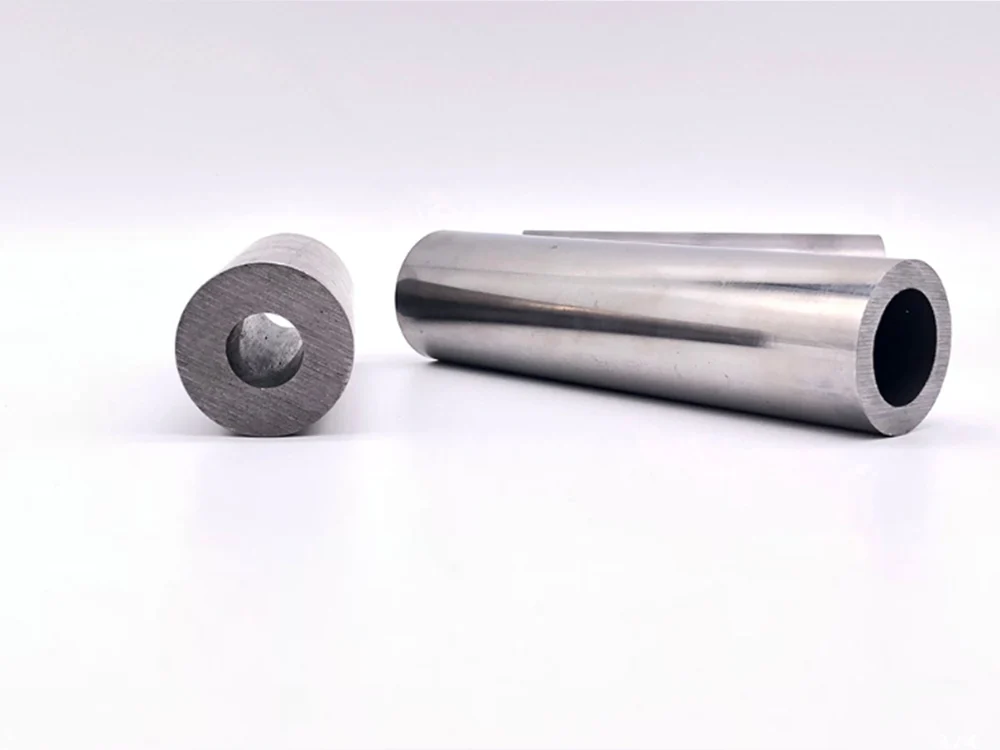
Most thin wall steel tubing failures are not pure wall failures. They are wall and process mismatches. Ovality appears when a thin wall tube is cold drawn too fast or shipped without enough internal support. Collapse during bending shows up when the wall is adequate for the pressure but not for the inside radius of the bend. Weld burn through happens when the wall is thin enough that the heat input from a joint melts through before filler can be added.
We saw one batch of thin wall steel tubing for a hydraulic reservoir that arrived dimensionally correct but collapsed during tube end forming. The wall was not too thin in absolute terms, around 2 mm on a 60 mm outer diameter. It was too thin for the expansion step that followed because the tube had been left in a hard drawn condition with limited elongation. The fix was not a heavier wall. It was specifying a stress relieved tube with enough remaining ductility for the forming operation. That distinction, between absolute wall and wall condition, is the part many purchase specifications miss.
When Should You Ask a Mill to Review Your Thin Wall Design?
If you have been burned by thin wall steel tubing that came in oval, bowed, or too hard to form, the problem is usually not the wall thickness alone. It is the conversation that did not happen about how the tube would be processed downstream. We review drawings before quoting because the right process choice at the start costs less than replacement after cutting.
Send your outer diameter, wall thickness, length, quantity, and any bending, end forming, or welding steps to Sunny@tenjan.com. You can also call or WhatsApp +86 13401309791. We will confirm the appropriate material condition, straightness allowance, and inspection plan before you commit to a purchase order.
What Questions Do Buyers Ask About Thin Wall Tubing?
Does thin wall tubing have a practical lower limit?
It depends on the outer diameter, material, and downstream forming. We regularly produce carbon steel tube down to 1 mm wall on smaller diameters, but on larger OD above 60 mm the practical limit is governed by straightness and handling rather than the drawing process itself. For cold drawn welded tube, our standard wall range is 1 to 6 mm, with an outer diameter range of 20 to 108 mm. If a design sits near the bottom of that range, order a trial batch before committing to full production.
Is thin wall steel tube pressure rated?
Only if the specification says it is. Most thin wall steel tubing sold for structural or mechanical use is not purchased as a pressure boundary. Pressure capacity falls quickly as wall thickness drops and diameter rises, so a 2 mm wall in carbon steel tube cannot carry the same rating as a heavier wall of the same grade. If the application involves compressed gas, steam, or hydraulic oil under pressure, name the standard and design pressure in the inquiry. That detail changes the material and inspection requirements.
Why does straightness drift after cutting thin wall tube?
In programs I have reviewed, straightness problems almost always trace back to residual stress after cold drawing, not to the OD tolerance itself. Thin wall tube relaxes more during stress relief, so when that step is skipped the bow appears after cutting, machining, or welding. Ask for stress relieved cold finished tube when straightness matters and confirm the camber allowance in the standard before ordering. The mill certificate should state the condition, not just the dimensions.
Can thin wall steel tubing be bent?
Yes, but only when the wall, bend radius, and temper are matched before the bend is attempted. A hard cold drawn tube with a tight radius will kink or collapse sooner than an annealed or stress relieved tube of the same dimensions. The bend itself is rarely the problem; the material condition going into the bend is. If your program includes bending, send the bend radius, angle, and tube dimensions to Sunny@tenjan.com and we will confirm the correct temper before you order.
If you’re interested, check out these related articles:
Heat Treated Steel Tube: What Engineers Need to Know
Carbon Steel vs Alloy Steel Tubes
Cold Drawn vs Cold Rolled Steel Tubes
Understanding ASTM, EN, DIN and JIS Tube Standards