Why a 99.2% On-Time Delivery Record Matters for Steel Tube Buyers
In precision steel tube procurement, "on time" is not a courtesy metric—it is a fit, form, and function requirement. When a cold-drawn tube is late, the assembly line does not wait quietly; it consumes safety stock,…
In precision steel tube procurement, “on time” is not a courtesy metric—it is a fit, form, and function requirement. When a cold-drawn tube is late, the assembly line does not wait quietly; it consumes safety stock, shifts to overtime, or stops. If the tube arrives early but without complete inspection documents, it still waits in quarantine. That gap between a shipping notification and truly usable material is where delivery risk lives.
A supplier with a 99.2% on-time delivery record changes that conversation because it turns a hope into a planning number. But the number only matters if buyers understand what it measures and what system produces it.
What On-Time Delivery Actually Means in Steel Tube Procurement
On-time delivery should mean the tube is usable at the agreed location on the agreed date, with the correct grade, dimensions, surface condition, packaging, and inspection documents. This is not the same as “shipped on time.” A container can leave the port on schedule and still miss the buyer’s dock date because of customs, documentation errors, or freight handoffs.
The definition also needs a reference point. For one buyer, on time means arrival before the production slot opens. For another, it means the mill test certificate is accepted by incoming quality control and the material is released from inspection before the line needs it. The International Chamber of Commerce Incoterms® framework exists partly because sales teams and buyers can mean very different things by the word “delivered” [1].
<img src="https://www.tenjan.com/wp-content/uploads/2026/07/PC6rR0i6UrM981k60A7PT8k0CS515y9f.jpg" alt="Seamless Pipe&Tube" style="max-width: 600px; height: auto; display: block; margin: 20px auto;" />
A useful discipline for a buyer is to write the expected dock date, the required document set, and the release condition directly on the purchase order. Without that specificity, a supplier’s “on time” and the buyer’s “ready to use” can drift apart. What does your current supplier define as on time: the date the truck leaves the mill, or the date the tubes are usable at your dock?
Why Delivery Reliability Beats Low Price in Precision Tubing
A lower tube price is visible on the invoice. Delivery risk is visible later, in expedited freight, line downtime, extra inspection, and project penalties. In high-mix precision tube buying, the more expensive supplier is sometimes the cheaper supplier because the delivery date survives contact with reality.
The operational logic is simple. If a buyer orders fewer deliveries because lead times are unreliable, that buyer must hold more safety stock and free more working capital. If a buyer orders more frequently to stay covered, inbound logistics and quality checks become busier. Either way, the cost does not disappear; it moves to the warehouse, the expedite desk, or the production schedule.
A 99.2% on-time record matters because it removes a layer of informal buffer from the buyer’s plan. Purchasing teams can order closer to the production need instead of building a private insurance stock against supplier slippage. The savings may not be printed on the tube price, but they show up in inventory turns and schedule stability.
The Systems Behind a 99.2% On-Time Record
An on-time delivery rate above 99% does not come from heroic dispatch at the end of the month. It comes from process control long before the tube is packed.
Raw material reservation is the first gate. A precision tube mill cannot promise a delivery date if it does not know which billet or mother pipe will feed the order. Vertical integration helps here: when one manufacturer controls material input, cold drawing, heat treatment, straightening, cutting, and final inspection, there are fewer handoffs where a schedule can quietly slip. A documented quality management system such as ISO 9001:2015 [2] does not guarantee a dock date, but it forces the processes that produce repeatable outcomes.
Production sequencing is the second gate. A good schedule protects capacity for the operations that cannot be compressed: annealing, cold drawing, stress relieving, non-destructive testing, and document review. Inspection documents under EN 10204 3.1 [3] should be generated as the material moves through the process, not assembled after packing.
<img src="https://www.tenjan.com/wp-content/uploads/2026/07/xjIV2LT3f9i16w8G76182jKK113od0Zj.jpg" alt="precision Pipe&tube" style="max-width: 600px; height: auto; display: block; margin: 20px auto;" />
The third gate is buffer design. Orders change, raw material inspections occasionally fail, and a sizing mill may need unplanned maintenance. A supplier that can still deliver when variation occurs is not simply lucky; it has reserved capacity or routing alternatives. Tenjan’s on-time record is easier to read through this lens: the company describes its delivery outcome as the result of process control, not as a promise detached from the production route.
Need a supplier that treats promised dates as engineering tolerances? Send your tube drawing, grade, order quantity, and required dock date to Sunny@tenjan.com. A realistic delivery plan is easier to build than an expedited recovery.
How On-Time Performance Changes Risk and Inventory Math
In inventory planning, lead time is not a single number; it is a distribution. If a supplier’s lead time varies widely, the buyer must cover the right tail of that distribution with safety stock. A reliable supplier shortens that tail, so the same service level requires less buffer.
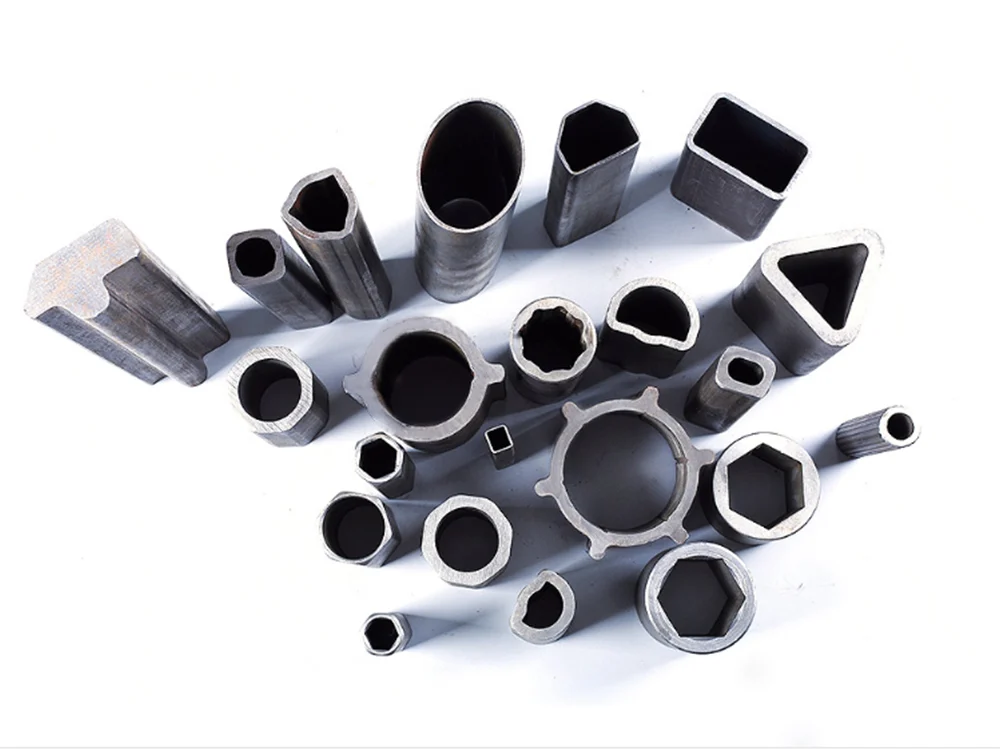
The practical effect is strongest for custom tubes. A special-shaped cold-drawn section cannot be replaced by a stock round tube when the shipment slips. The buyer often has no second source, no off-the-shelf substitute, and no room to redesign at the last minute. For these items, delivery reliability is not a commercial convenience; it is a design constraint.
A 99.2% on-time rate also changes the conversation about urgency. When a supplier is consistently on time, “urgent” means a genuine demand spike, not a routine recovery action. That distinction protects the buyer from paying expedite fees for problems that should have been avoided by the production schedule.
What a Buyer Can Verify Before Trusting a Delivery Claim
A 99.2% on-time rate should be treated as an outcome, not an explanation. The buyer’s job is to verify the system behind the number.
Start by asking for the metric by product family, destination, and order type, not as one corporate average. A high overall rate can hide weaker performance in the very category the buyer needs. Next, ask how the supplier defines on time: order confirmation date, promised date, or revised date after the buyer allows a delay. The definition changes the number.
A delivery record is only as useful as the data behind it. <How to Choose a Steel Tube Supplier for Your Next Project> covers the due-diligence checklist engineers use before placing a purchase order.
Then check the production evidence. A supplier should be able to describe how raw material is reserved, how capacity is loaded, and how late orders are escalated before the promised date, not after it. For mechanical tubing, ASTM A519 [4] provides a common language for material requirements, but the delivery commitment still depends on the mill’s process control and planning discipline.
If the tube will be machined, welded, or tested to a specific standard, the specification decision starts to shape the production schedule. <How EN10305 Steel Tube Standard Affects Precision Tube Procurement> covers why standard selection influences lead time and inspection planning.
<img src="https://www.tenjan.com/wp-content/uploads/2026/07/VF09658447DF7guxT107H0R0BizyOI8J.jpg" alt="Cold-Drawn Carbon Section Steel&Bar" style="max-width: 600px; height: auto; display: block; margin: 20px auto;" />
A buyer who can see the route from billet to final inspection can distinguish a supplier that earned a 99.2% record from one that merely reports it.
A Practical Way to Use the Number
The most useful question is not “Will the tube arrive on time?” It is “What is the recovery path when variability appears?” A supplier with a 99.2% on-time record does not eliminate all uncertainty. It reduces the frequency of failure and, just as importantly, makes the failure mode visible early enough to manage.
For procurement engineers, the implication is straightforward. Put the delivery definition in the order. Ask for the on-time rate by product family. Require inspection documents at the dock, not after the line has stopped. Then compare suppliers on the total cost of a missed date, not only the price per meter.
Get a delivery plan, not a promise
Send your tube drawing, grade, quantity, and required dock date. Tenjan’s team will check the material route, standard, and inspection requirements against current production loading and tell you whether the date is realistic before you commit.
Email: Sunny@tenjan.com
Tel: +86 51988789990
Phone/WhatsApp: +86 13401309791
Frequently Asked Questions
Does a 99.2% on-time rate mean every order arrives on time?
No. It means 99.2% of tracked orders met the agreed delivery definition during the measured period. The remaining 0.8% can still create disruption, which is why buyers should ask how the metric is measured, which orders are included, and how late deliveries are recovered.
How should a buyer verify a supplier’s delivery record?
Ask for a 12-month record by product family and destination, the definition of on time, the method of measurement, and the root causes of the missed deliveries. A supplier with a stable process should be able to explain the exceptions without hiding behind a marketing figure.
Will a reliable delivery record increase tube cost?
Not necessarily. Reliability can reduce total cost by cutting expedited freight, overtime, and safety stock. The tube price may not always be the lowest, but the total procurement cost can be lower when the delivery date is dependable.
What information should a buyer provide to get a reliable lead time?
Grade, outer diameter, wall thickness, length, quantity, surface requirement, standard, inspection document type, and the required dock date. Incomplete specifications force the supplier to ask questions before production planning begins, which may delay the confirmed date.
How do suppliers handle urgent orders without disrupting the schedule?
Strong suppliers reserve a limited amount of capacity or maintain a flexible sequencing window for genuine emergencies. The key is that the urgent order is planned into the production route, not forced into a machine that is already loaded.
References
[1] Incoterms® 2020, International Chamber of Commerce, ICC Publication No. 723E.
[2] ISO 9001:2015, Quality management systems — Requirements, International Organization for Standardization.
[3] EN 10204:2004, Metallic products — Types of inspection documents, European Committee for Standardization.
[4] ASTM A519/A519M, Standard Specification for Seamless Carbon and Alloy Steel Mechanical Tubing, ASTM International.
If you’re interested, check out these related articles:
Cold Drawn vs Cold Rolled Steel Tubes
DIN2391 ST52 Tube: Tolerances, Grades and Sourcing Checks
Carbon Steel vs Alloy Steel Tubes
Precision Tube Quality Inspection Checklist