Welcome to Changzhou Tenjan Steel Tube Co., Ltd
Sunny@tenjan.com



Getting a steel tube quote right the first time matters more than most procurement teams realize. I’ve watched projects stall for weeks because someone submitted a vague request and received pricing that didn’t match what they actually needed. The back-and-forth eats time, and in manufacturing, time is money. A precise quote isn’t just a number on paper—it’s confirmation that a supplier understands exactly what you’re asking for and can deliver it.
Before reaching out to any supplier, your team needs complete alignment on what the project actually requires. This step gets skipped more often than it should, and the consequences show up later as material rejections, fitment problems, or outright project delays.
Picture a hydraulic cylinder failing in the field because someone ordered tubing with the wrong material grade. That’s not a hypothetical—it happens when specifications stay vague during procurement. Precision steel tubing for sensitive applications leaves no room for approximation. Even small deviations in wall thickness or chemical composition can compromise performance under load.
Automotive applications and high-pressure boiler systems demand materials with specific mechanical properties. Without clear internal documentation of these needs, procurement becomes guesswork. Working with seamless tubes, cold-drawn profiles, and custom-shaped steel tubes across industries from construction machinery to hydraulics components has reinforced one lesson repeatedly: clear material grade definitions and precise technical drawings prevent costly rework.
A well-defined specification functions as a blueprint. It guides manufacturers toward producing exactly what you need, whether that’s an alloy steel tube rated for extreme temperatures or a standard carbon steel tube for general structural use.
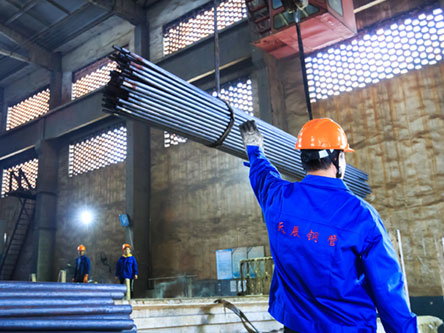
The material grade determines how a steel tube will behave under stress. It controls strength, hardness, corrosion resistance, and weldability—properties that directly affect whether your application succeeds or fails.
An alloy steel tube like 4140 Steel Pipe delivers superior strength and toughness, making it suitable for demanding automotive or mining applications where impact resistance matters. A carbon steel tube like 1020 Steel Pipe offers excellent weldability and formability for general structural purposes where extreme strength isn’t the primary concern.
The chemical composition behind each grade defines performance under specific operational conditions. Selecting the wrong grade leads to premature failure, safety risks, and blown timelines. ASTM A179 Steel Pipe exists specifically for heat exchangers, with a low-carbon composition optimized for thermal transfer efficiency.
| Material Grade | Type | Key Application |
|---|---|---|
| 4140 Steel Pipe | Alloy Steel | Automotive, Mining Support |
| 1020 Steel Pipe | Carbon Steel | General Structural |
| ASTM A179 Steel Pipe | Carbon Steel | Heat Exchangers, Condensers |
| EN10305-1 Steel Pipe | Carbon/Alloy Steel | Precision Mechanical |
Physical attributes matter as much as material selection. Outer Diameter, Inner Diameter, and Wall Thickness must align precisely with your design requirements. Getting these wrong creates fitment issues that cascade through assembly.
Tolerances define the acceptable variation from nominal dimensions. For precision applications like hydraulic cylinders, tight tolerances aren’t optional—they’re mandatory. Cold-drawn manufacturing processes achieve the dimensional accuracy these applications demand.
Surface finish affects both function and aesthetics. Smooth finishes improve fluid flow characteristics and reduce friction in dynamic applications. Rougher finishes work fine for structural components where surface quality doesn’t impact performance. Specifying these details upfront reduces downstream machining costs and prevents assembly problems.
A comprehensive quotation request eliminates ambiguity and produces pricing that actually reflects your needs. Incomplete requests trigger multiple rounds of clarification, wasting time for everyone involved.
Requests frequently arrive missing critical information. This happens more often than it should, and the result is always the same: delays while suppliers chase down missing details. Your RFQ should function as a complete specification package.
Adherence to industry standards matters. Reference applicable ASTM standards, EN standards, DIN standards, or JIS standards in your request. These standards define material properties, testing methods, and acceptable tolerances, ensuring product consistency across suppliers.
Logistical details influence pricing significantly. State your delivery schedule, anticipated minimum order quantity, and any packaging requirements. These factors affect production planning and final cost calculations. Including preferred payment terms and expected lead time helps suppliers provide realistic offers.
Quality control requirements deserve explicit mention. Specify mandatory inspections like PMI inspection for material verification or NDT inspection for detecting internal flaws. These checks verify material integrity and ensure compliance with project requirements.
Custom steel tube quotes demand comprehensive detail. Manufacturers need complete information to price and produce unique products accurately.
Material Grade: Specify the exact alloy or carbon steel. Use 4140 Steel Pipe for high-strength applications or ASTM A179 Steel Pipe for heat exchangers.
Dimensions: Provide Outer Diameter, Inner Diameter, Wall Thickness, and Length.
Geometries: For custom-shaped steel tubes, include detailed technical drawings showing corner radii, angles, and cross-sectional profiles.
Tolerances: State permissible deviations for all dimensions explicitly.
Surface Finish: Indicate required surface quality, whether bright annealed, pickled, or another specification.
Standards: Reference applicable international standards such as ASTM A519 Steel Pipe or EN10305-1 Steel Pipe.
Application: Describe the intended use. This context helps manufacturers recommend optimal solutions.
Testing and Certifications: List required inspections and material certificates.
Quantity and Delivery: Specify order volume and desired timeline.
Product reliability depends on robust quality control and proper certifications. An ISO-certified quality management system demonstrates structured commitment to consistent standards. ISO 9001 isn’t just a badge—it represents documented processes and accountability.
Specific product inspections catch problems before they reach your facility. PMI inspection verifies exact chemical composition, preventing material mix-ups that could compromise structural integrity. NDT inspection techniques like ultrasonic or eddy current testing detect internal flaws without damaging the tube. These checks prove essential for critical applications where failure isn’t acceptable.
| Certification/Inspection | Purpose | Benefit |
|---|---|---|
| ISO 9001 | Quality Management System | Consistent product quality |
| PMI Inspection | Material Chemical Verification | Prevents material mix-ups |
| NDT Inspection | Detects Internal Flaws | Ensures structural integrity |
| Mill Test Certificates (MTC) | Material Traceability | Verifies compliance |
The lowest quote doesn’t always represent the best value. True cost includes reliability, quality consistency, and supply chain stability. A manufacturer’s reputation reflects their track record of delivering high-quality products and responsive service. For OEMs steel tubes and demanding engineering projects, reliability outweighs marginal price differences.
Vertical integration indicates process control. Manufacturers who manage everything from raw material sourcing to finished product delivery minimize external dependencies and quality variations. Full process control ensures consistency at every production stage.
Evaluate expertise and production capabilities carefully. Does the manufacturer specialize in the tube types you need, such as Special-Shaped Alloy Steel Tubes or Seamless Alloy Steel Tubes? Manufacturer expertise in cold drawing and cold rolling processes translates to superior dimensional accuracy and surface finish. Advanced production capabilities and commitment to innovation indicate capacity for handling complex specifications and tight tolerances.
A supplier who understands your application offers more than pricing—they provide insights that improve your final product.
Recognized quality certifications separate capable manufacturers from the rest. ISO 9001 remains fundamental, signifying a robust quality management system with consistent processes and product quality.
Industry-specific certifications matter for specialized applications. PED (Pressure Equipment Directive) certification validates capability for boiler tubes. IATF 16949 certification demonstrates automotive component manufacturing competence. These certifications confirm ability to meet stringent industry requirements.
An ISO-certified supplier shows commitment to global quality standards. This commitment provides assurance of material integrity and manufacturing excellence—factors that determine long-term reliability.
After submitting a comprehensive RFQ, the process shifts to communication and refinement. This phase determines whether you achieve optimal cost-effectiveness and specification alignment.
Review the Initial Quote: Examine every aspect carefully. Does it match your specifications? Are material grade, dimensions, and tolerances correct?
Clarify Discrepancies Immediately: Unclear or incorrect items need prompt communication. Waiting creates problems downstream.
Confirm Lead Time and Delivery: Verify the proposed timeline aligns with your project schedule. Discuss flexibility or expedited options if needed.
Review Payment Terms: Examine suggested terms against your company’s policies. Negotiate where necessary.
Finalize Technical Details: Ensure all specifications, testing requirements, and certifications appear explicitly in the final agreement.
Complete Contract Negotiation: Secure favorable terms and conditions through thorough review.
Issue the Purchase Order: Once all terms align, formalize the order.
Effective communication throughout the procurement process prevents delays and produces better outcomes. Transparent dialogue ensures mutual understanding.
Quotation lead time typically ranges from 24 to 72 hours. Response time varies based on request complexity.
Simple requests for standard products with clear specifications receive quicker responses. Complex inquiries involving custom-shaped steel tubes, specialized alloys, or extensive technical drawings require detailed engineering review.
Supplying complete information upfront accelerates the process significantly. Missing details trigger clarification requests that add days to the timeline.
Effective steel tube procurement extends beyond individual transactions. Building long-term partnerships with reliable manufacturers creates supply chain resilience through precision sourcing and strategic supply chain management.
Consider an OEM requiring consistent supply of EN10305-1 Steel Pipe for automotive hydraulic systems. A strategic partnership delivers competitive pricing, consistent quality, and guaranteed delivery. Close collaboration enables custom solutions tailored to evolving project needs—unique material compositions or specific geometries that standard products can’t address.
One client developing next-generation construction machinery needed Special-Shaped Carbon Steel Tubes with unique load-bearing characteristics. Early engagement allowed design feedback and prototype manufacturing, leading to successful product launch. This proactive collaboration demonstrates what strategic relationships make possible.
Better planning, risk mitigation, and access to specialized expertise follow from cultivating these relationships. For companies engaged in global sourcing or seeking robust OEM solutions, strategic partnerships drive sustained success.
For precision steel tubing that meets demanding specifications, Changzhou Tenjan Steel Tube Co.,Ltd brings vertically integrated manufacturing, ISO-certified quality control, and expertise in custom shapes since 2004. Material integrity and tailored solutions support critical automotive, boiler, construction, and hydraulic projects. Request a direct quote at Sunny@tenjan.com or call +86 51988789990.
Custom shapes like square, rectangular, or Hexagonal Steel Pipes & Tubes require detailed technical drawings showing precise dimensions, corner radii, wall thickness, and material grade. Include the intended application, required tolerances, surface finish, and applicable standards such as ASTM, EN, DIN, or JIS. This information enables accurate and compliant pricing.
Changzhou Tenjan Steel Tube Co.,Ltd maintains ISO-certified quality control throughout vertically integrated manufacturing, from raw material to finished product. Rigorous inspections including PMI inspection and NDT inspection guarantee material integrity and compliance with specified standards.
Tenjan Steel Tube handles diverse engineering project needs. While large-scale production remains a specialty, specific requirements for smaller batch orders or prototype development receive consideration, particularly for complex geometries or specialized alloy and carbon steel tubes. Project details enable tailored solutions.
Quotation lead time typically ranges from 24 to 72 hours, depending on specification complexity and inquiry volume. Order fulfillment timelines vary based on material availability, production schedule, and order quantity. The sales team provides precise timelines after reviewing complete requirements.
Changzhou Tenjan Steel Tube Co.,Ltd offers flexible payment terms for international orders, typically involving upfront deposits with balances due upon shipment or against Letter of Credit. Specific terms are negotiated based on order value, client relationship, and project duration. The sales team provides detailed information during the quotation process.


Home Product Capabilities Case Studies Blogs About Get a Quote
Pipe & Tube Manufacturing Process Shapes & Profiles Pipes & Tubes Material Standard Steel Pipes & Tube Rebar Couplers Cold Drawn Steel Profiles & Bars
Oil & Petrochemical Industry Automotive & Motorcycle Components Mechanical Engineering Components Mining Construction Support Structures High-Pressure Boiler System Construction Machinery Geological Drilling Agricultural Machinery Parts Industrial Fluid Transfer Systems


© 2024 Changzhou Tenjan Steel Tube Co., Ltd All rights reserved. Privacy StatementTerms-ConditionsSitemap
