Steel Tubes for Renewable Energy Projects: Key Roles
Renewable energy projects often look simple from the outside — a rotor, a panel array, a penstock — but underneath the visible equipment is a steel-tube backbone. Precision steel tubing carries hydraulic fluid in wind turbine…
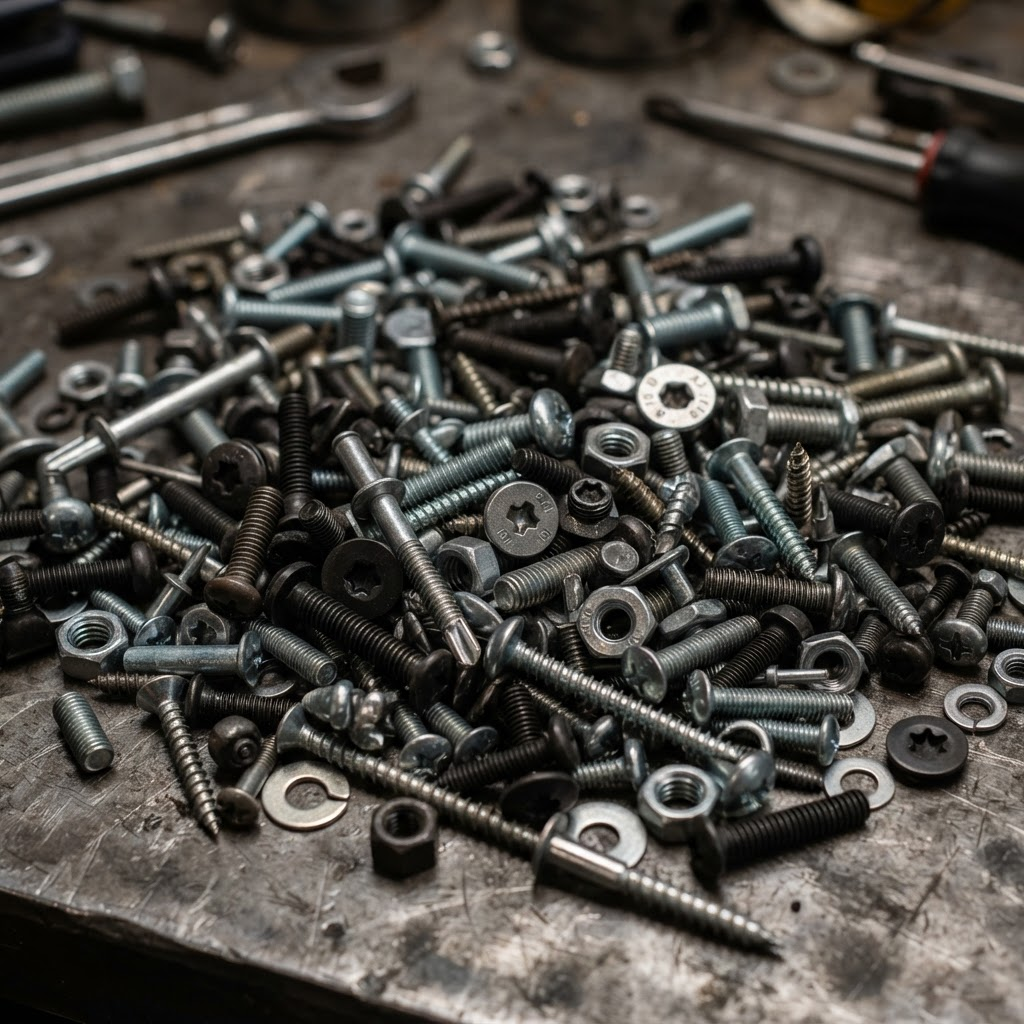
Renewable energy projects often look simple from the outside — a rotor, a panel array, a penstock — but underneath the visible equipment is a steel-tube backbone. Precision steel tubing carries hydraulic fluid in wind turbine pitch and brake systems, forms torque tubes in solar trackers, transports water through hydroelectric stations, and handles high-temperature or aggressive fluids in geothermal and concentrating solar plants. Getting the tube specification right affects structural safety, fatigue life, inspection scope, and long-term maintenance cost.
Why Steel Tubes Are Load-Bearing Infrastructure in Renewable Energy
Wind turbine towers are the most visible example. Modern onshore and offshore turbines use tubular steel towers assembled from rolled and welded sections, with internal platforms, cable brackets, and transition pieces made from structural and mechanical tube. Wind turbine design standards such as IEC 61400-1 define load cases that include fatigue, extreme wind, and operational vibration [1]. DNV-ST-0126 applies to support structures and includes requirements for material selection, welding, corrosion protection, and inspection of steel components [2]. In these applications, steel tubes must tolerate variable cyclic loads over a 20–25-year design life, so notch toughness, weld quality, and dimensional consistency are treated as critical characteristics.
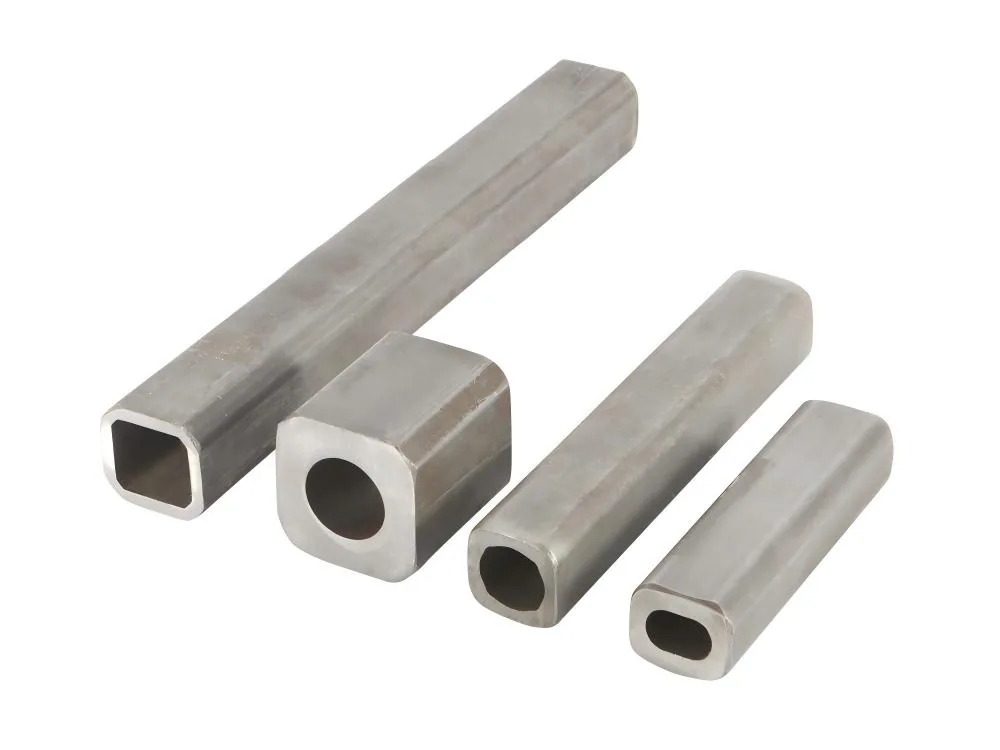
For solar, steel tube use is less visible but equally structural. Single-axis trackers use round and square structural tubes as torque tubes and support posts, while fixed-tilt ground mounts use cold-formed hollow sections for frames, purlins, and leg structures. Because trackers rotate daily, tubes must combine torsional stiffness with controlled straightness and sufficient fatigue capacity for decades of low-stress cycles and occasional extreme wind events.
Application-by-Application: What the Tube Must Do
Renewable energy is not one service condition but a collection of them. The following table shows how tube requirements shift across applications.
| Application | Typical Steel Tube/Pipe | Relevant Standards | Primary Engineering Concern |
|---|---|---|---|
| Wind turbine hydraulic pitch and yaw | Cold-drawn precision seamless tube | EN 10305-1, DIN 2391 | Internal cleanliness, dimensional accuracy, leak-free connections |
| Wind tower internals and access platforms | Structural round and square hollow sections | EN 10210, EN 10219, ASTM A500 | Weldability, impact toughness, corrosion protection |
| Solar tracker torque tubes | Round or square structural tube | ASTM A500, EN 10219 | Torsional stiffness, straightness, galvanizing compatibility |
| Fixed-tilt solar mounting | Cold-formed structural hollow sections | ASTM A500, ASTM A1085, EN 10219 | Corrosion class, load capacity, coating durability |
| Hydropower penstocks and cooling lines | Seamless or welded carbon steel pipe | ASTM A106, ASTM A53, EN 10216 | Pressure rating, weld integrity, hydrostatic testing |
| Geothermal production and injection piping | Seamless carbon or alloy steel pipe | ASTM A106 Grade B, ASTM A53 | High-temperature strength, corrosion allowance, scaling |
| Hydrogen transmission and compression | Seamless low-alloy steel tube | ASTM A519, EN 10305, project-specific requirements | Hydrogen embrittlement, hardness control, traceability |
| Biomass and concentrating solar heat-transfer lines | Seamless boiler and heat-exchanger tube | ASTM A192, ASTM A179 | Elevated-temperature oxidation, creep, wall-thickness calculation |
The common thread is that renewable energy tubes are rarely selected by chemistry alone. A solar tracker tube and a geothermal pipe can both be carbon steel, but the solar tube may be governed by coating adhesion and torsional straightness, while the geothermal pipe is governed by allowable stress at temperature and corrosion allowance. The application requirement should drive the standard, grade, and delivery condition — not the reverse.
Renewable energy structures routinely mix EN, ASTM, and DNV requirements, so switching from one standard to another can alter tolerances, weld procedures, and inspection documentation. <Understanding ASTM, EN, DIN and JIS Tube Standards> covers how these frameworks compare in practice.
Material Grades and Standards That Keep Showing Up
Structural hollow sections in solar and balance-of-plant frames are commonly ordered to ASTM A500 Grade B or C in North American projects, or to EN 10210 and EN 10219 grades such as S355J2H in European projects [3][4]. These specifications define minimum yield strength, tensile strength, elongation, and, in the European case, Charpy impact values at low temperature. For dynamic structures and offshore applications, impact-tested grades with fine-grain practice are often preferred, but the final choice depends on design temperature and the governing project code.
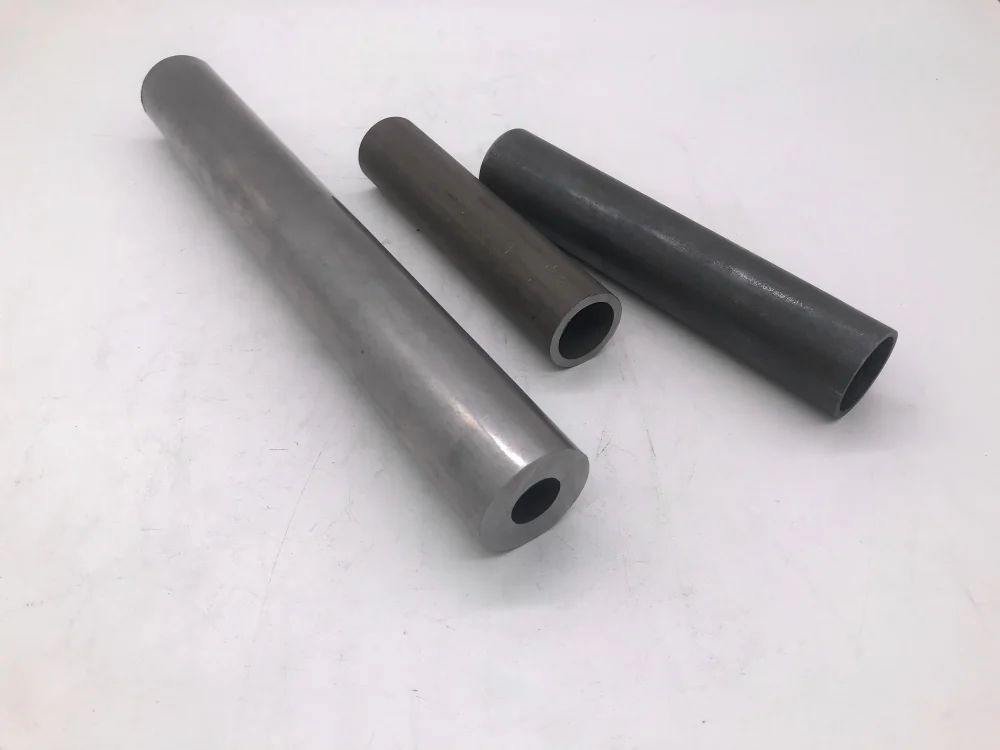
Precision hydraulic tube is another recurring requirement. Wind turbine pitch systems, brake circuits, and solar tracker actuators need cold-drawn seamless tube with close outer diameter, inner diameter, and wall-thickness tolerances for reliable fitting. Internal surface quality also matters because particle contamination can shorten the life of seals, pumps, and valves.
Corrosion Protection and Service Life Planning
Renewable energy sites are frequently located in aggressive environments: coastal solar farms, offshore wind, high-humidity river valleys, and geothermal fields with hydrogen sulfide exposure. Steel tube selection therefore includes not just the base material but the entire protection system.
Hot-dip galvanizing of fabricated steel articles to ISO 1461 provides factory-controlled zinc coating thickness and coverage [5]. In offshore or C4/C5 atmospheric environments, designers may specify a duplex system: galvanizing plus a compatible paint or thermal-spray coating selected according to ISO 12944-2, which classifies environmental corrosivity and coating durability [6]. Complex hollow sections need drainage holes and venting both for galvanizing safety and for coating continuity inside the tube.
A well-chosen corrosion system depends on coating type, environment category, and maintenance access, not just the base pipe material. <Steel Pipe Corrosion Protection Methods for Precision Tube> covers how to align protection strategy with service conditions.
Pressure, Thermal, and Flow-Critical Tube Systems
Geothermal production wells, binary plant piping, and concentrating solar heat-transfer loops operate at elevated temperatures and sustained pressure. Seamless carbon steel pipe to ASTM A106 Grade B is widely referenced for high-temperature service [7], while ASTM A53 pipe is applied in lower-temperature structural and ordinary service lines [8]. Wall thickness must account for pressure, temperature derating, corrosion allowance, and erosion; this calculation is usually governed by the plant piping code rather than by the material specification alone.
Hydrogen systems introduce another concern: hydrogen embrittlement. Steel tubing for hydrogen service is often specified with restricted hardness, low sulfur and phosphorus content, and clean microstructure. Because welding, cold forming, and heat treatment all influence susceptibility, the tube producer’s heat treatment record and material traceability become key verification points in the procurement file.
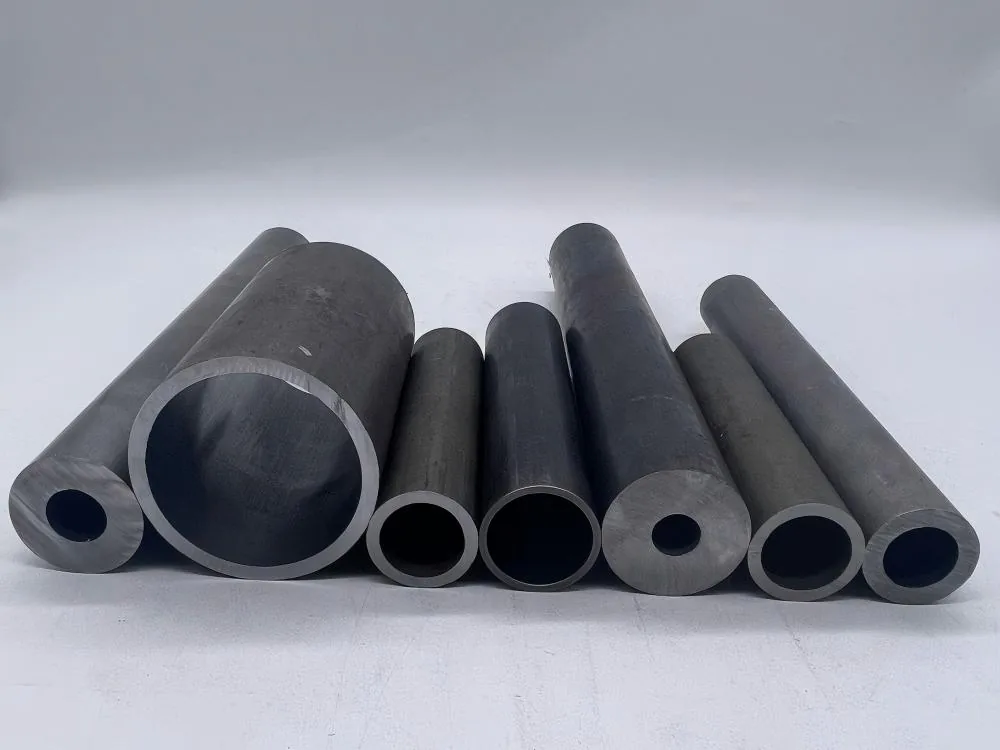
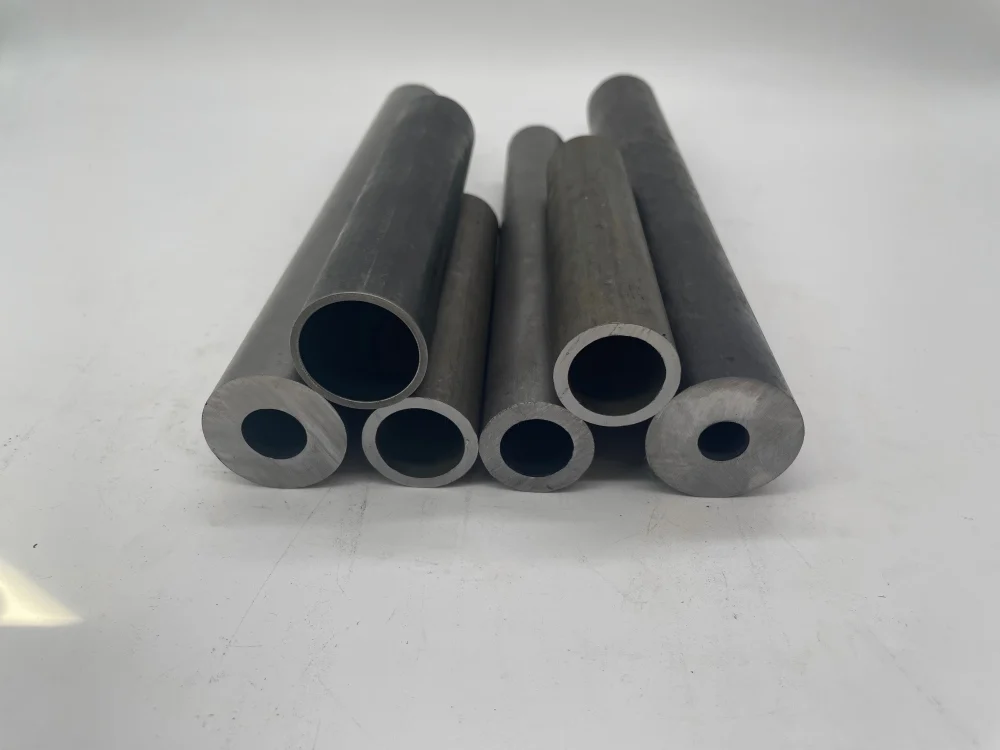
Hydraulic pitch and brake systems use cold-drawn precision seamless tubes with close tolerances for leak-free service. EN 10305-1 covers technical delivery conditions for such precision steel tubes [9]; equivalent order specifications often include internal cleanliness, surface roughness, and pressure testing.
Where pressure and fatigue cycles overlap, the question of whether seamless or welded tube is acceptable depends on the inspection plan, service conditions, and design code. <Seamless vs ERW Pipe: Which Is Right for Your Project?> covers the practical trade-offs engineers should evaluate.
From Specification to Inspection: Getting Reliable Tube Supply
A renewable energy tube inquiry should define more than outside diameter and wall thickness. The useful specification includes the applicable standard, grade, delivery condition, tolerance field, non-destructive testing method and acceptance level, material certificate type, and any coating or preparation requirement. Ultrasonic testing, eddy current testing, positive material identification, and visual inspection are common verification methods; the selection depends on whether the tube is structural, hydraulic, or pressure-containing.
For a project-specific review, send your load case or design code, corrosion class, and target delivery window to Sunny@tenjan.com. Our engineers can help align the tube grade, tolerance, heat treatment, and NDT plan before quotation, so the technical file matches what the site will actually require. For urgent discussions, call or WhatsApp +86 13401309791.
Moving From Specification to Project Delivery
Changzhou Tenjan Steel Tube Co., Ltd produces cold-drawn and cold-rolled precision steel tube, shaped tube, and seamless tube for structural, hydraulic, and pressure-related applications. For renewable energy projects, we review the application requirement, relevant ASTM/EN/DIN/JIS standard, heat treatment condition, NDT method, and EN 10204 3.1 documentation together so prototype and production lots are aligned. Contact Sunny@tenjan.com or call/WhatsApp +86 13401309791 to discuss dimensions from 10–108 mm OD and wall thickness from 1–20 mm for your next wind, solar, hydropower, geothermal, or hydrogen project.
Frequently Asked Questions
What are the most common steel tube standards in renewable energy projects?
Structural hollow sections commonly reference ASTM A500, ASTM A1085, EN 10210, and EN 10219. Precision hydraulic tubes often use EN 10305-1 or DIN 2391, while pressure piping may reference ASTM A106, ASTM A53, or EN 10216. The right standard depends on whether the tube is structural, hydraulic, or pressure-containing.
Do solar trackers use seamless or welded steel tubes?
Both are used. Welded structural tube is common for torque tubes and posts when geometry and coating compatibility are acceptable. Seamless tube is used when pressure, fatigue, or tight tolerance requirements govern. The design code and inspection plan determine which is permitted.
How is corrosion protection specified for offshore wind or coastal solar?
Hot-dip galvanizing to ISO 1461 is a common baseline for structural tubes. Severe chloride environments may require a duplex system selected around ISO 12944-2 and the project atmospheric corrosivity class. Geothermal facilities may also need elevated-temperature or chemical-exposure considerations.
Why does heat treatment matter for renewable energy tubing?
Heat treatment such as normalizing, annealing, or quenching and tempering stabilizes microstructure, reduces residual stress, and influences toughness, hardness, and workability. For hydrogen service, controlled heat treatment helps keep hardness within specified limits.
What should I ask a supplier before ordering tubes for a renewable energy project?
Request the applicable standard and grade, OD/wall-thickness tolerance, delivery condition, NDT method and acceptance limits, EN 10204 3.1 documentation, heat lot traceability, and any coating, threading, or preparation requirements. Confirm that the supplier can support prototype and small-batch production if the project will be phased.
References
[1] International Electrotechnical Commission, Wind energy generation systems – Part 1: Design requirements, IEC 61400-1:2019.
[2] DNV, Support structures for wind turbines, DNV-ST-0126:2021.
[3] ASTM International, Standard Specification for Cold-Formed Welded and Seamless Carbon Steel Structural Tubing in Rounds and Shapes, ASTM A500/A500M-21.
[4] European Committee for Standardization, Cold formed welded structural hollow sections of non-alloy and fine grain steels – Part 2: Tolerances, dimensions and sectional properties, EN 10219-2:2019.
[5] International Organization for Standardization, Hot dip galvanized coatings on fabricated iron and steel articles – Specifications and test methods, ISO 1461:2022.
[6] International Organization for Standardization, Paints and varnishes – Corrosion protection of steel structures by protective paint systems – Part 2: Classification of environments, ISO 12944-2:2017.
[7] ASTM International, Standard Specification for Seamless Carbon Steel Pipe for High-Temperature Service, ASTM A106/A106M-19a.
[8] ASTM International, Standard Specification for Pipe, Steel, Black and Hot-Dipped, Zinc-Coated, Welded and Seamless, ASTM A53/A53M-20.
[9] European Committee for Standardization, Steel tubes for precision applications – Technical delivery conditions – Part 1: Seamless cold drawn tubes, EN 10305-1:2016.
If you’re interested, check out these related articles:
Steel Tube Manufacturing Process: Precision and Quality
Managing Custom Steel Tube Lead Times for OEM Buyers
Cold Drawn vs Cold Rolled Steel Tubes
Precision Tube Quality Inspection Checklist
ASTM A106 vs A53 Pipe: Choosing by Pressure and Temperature